Not every fabric reacts to the washing machine the same way. Some shrink a little. Some shrink a lot. And a few can be permanently damaged after just one wrong cycle.
So if you’ve ever pulled something out of the dryer and wondered what happened to it, this guide is for you. Here’s a breakdown of the most common fabrics, how much each one typically shrinks, what triggers it, and the one protection move that matters most for each, including when dry cleaning is the only safe option.
Shrinkage isn’t random. During manufacturing, most fabrics are stretched and tensioned to hold a specific shape. Heat and agitation during washing release that tension, and the fibers snap back. That contraction is shrinkage.
Preventing clothes from shrinking begins with understanding heat isn't the only factor. It’s heat combined with moisture, or agitation, or both. Individual fabrics respond to these triggers differently, which is why a washing method that works fine for cotton can destroy wool.
The two main shrinkage triggers:
Cotton is in almost every closet, and it’s also the fabric most likely to quietly stop fitting. On the first wash, cotton can shrink three to five percent. With repeated hot washes, it keeps shrinking in smaller increments.
If you’re asking which fabrics shrink the most in everyday use, cotton is the honest answer, not because it’s the most dramatic shrinker, but because it’s the most common. Most people own more cotton than anything else, so the odds are in the favor of shrinkage.
How to protect cotton:
Wool: Shrinks and Felts
Wool doesn’t just shrink. It felts. When wool fibers are exposed to heat and agitation simultaneously, they lock together permanently. The texture tightens, the garment shrinks, and there’s no reversing it. A felted wool sweater can’t be unfelted.
This makes wool one of the strongest cases for dry cleaning. Even a “delicate” machine cycle carries risk, because it still involves water, heat, and some level of movement.
How to protect wool:
Linen typically shrinks three to four percent on the first wash, which may sound alarming, but it behaves differently from cotton or wool. Linen has a natural give; it stretches slightly with body heat and movement. A linen shirt that feels stiff and snug right out of the wash usually relaxes within an hour of wearing.
So linen is forgiving in a way other fabrics aren’t, as long as you wash it right from the start.
How to protect linen:
Many people are surprised to learn that rayon and viscose can shrink between five and ten percent in just one machine wash. That’s more than almost any other fabric in common use.
It gets worse. When a rayon gets wet, it weakens significantly. Agitation stretches it in some areas while shrinking it in others, leaving the garment misshapen and stiff. The drape that made it look good in the store is gone.
How to protect rayon and viscose:
Cavalier Cleaners professionally handles rayon, silk, wool, and every other shrink-prone fabric. Drop off or schedule a FREE Pickup and Delivery Service in Mentor.
Silk doesn’t shrink as severely as rayon, but it has a different problem: machine washing strips the sheen. What comes out of the wash is technically the same garment; it just looks dull, feels rough, and loses the quality that made it worth buying in the first place.
The shrinkage risk is moderate. The texture damage risk is high. Treat silk like what it is: a delicate protein fiber that reacts badly to heat, friction, and harsh detergents.
How to protect silk:
Good news for anyone who wears synthetics: polyester, nylon, and acrylic are the most shrink-resistant fabrics available. They’re heat-set during manufacturing, which means they hold their shape through repeated washing with far less risk.
That said, blends change the equation. A polyp-cotton shirt inherits some shrinkage risk from the cotton component. A poly-rayon blend can still shrink because of the rayon. Check the label; the fiber breakdown matters.
For residents in Mentor, Ohio managing a wardrobe of mixed fabrics, a quick rule of thumb: the higher the synthetic content, the lower the risk of shrinkage. When in doubt, check the care label first.
What to watch for with synthetics:
At Cavalier Cleaners, we’ve been caring for exactly these kinds of garments for more than 90 years. Our dry cleaning process uses advanced cleaning systems alongside professionals who know fabrics inside and out, preserving textures, maintaining colors, and extending the life of every piece we handle.
When you bring something to us, it doesn’t just get cleaned. It receives the care for which its label asked all along.
Not sure if your garment is safe to wash at home? Bring it in for professional dry cleaning. We’ll read the label and tell you exactly what it needs.
📍 8457 Mentor Ave., Mentor, OH, 44060, United States
You can tell within one or two visits if a laundry service is actually good at what it does. The shirts come back pressed the way you'd press them yourself, or they don't. The turnaround time they quoted is the turnaround time you get, or it isn't. The preferences you mentioned once are remembered the next time, or you start from scratch every visit.
Most people notice these things and say nothing, either switching services eventually or quietly lowering their expectations. What's less common is knowing exactly what to look for before you commit – the specific, checkable signs that separate a laundry service that's genuinely good from one that's just convenient.
Here are six of them.
The two-pile system, lights and darks, is a basic sorting process in any laundry service. A great provider, however, goes several steps further.
Look for a provider that separates by:
Ask how they handle sorting before you commit. If the answer is vague or they just say "lights and darks," that's your answer. They probably run mixed loads, and your delicates pay the price.
Don't wait to be disappointed. Before you drop off your first load, ask directly: "How do you sort laundry?" A confident, specific answer tells you a lot. Bonus points if they ask about your care labels up front rather than waiting for you to bring them up.
Your laundry isn't the same as the person's in front of you in line. A great service treats it that way.
The best providers let you choose:
These preferences should be stored on your account so you're not explaining yourself every single time. If you have to remind a service of your preferences each visit, they're not paying close enough attention to their customers.
For households with young children, eczema sufferers, or anyone with skin sensitivities, detergent choice isn't a preference – it's a health concern. A laundry service that can't accommodate fragrance-free or dye-free detergent isn't really set up to serve your family's needs. Ask specifically, not generally.
"Usually two to three days" sounds fine until your work clothes aren't back when you need them.
A great laundry service gives you a specific ready-by date, not a range, not an estimate. And if something comes up, they tell you before you show up to pick it up empty handed.
Here's the truth: reliability beats speed. A service that consistently delivers in three days is more valuable than one that's sometimes same-day and sometimes a week. You build your schedule around them. They should respect that.
If a service can't commit to a date at drop-off, ask what their typical process looks like when things are delayed. How they answer that question is telling.
This one you can judge from your first order. Open the bag when you get home and look at the work. A great laundry service folds with consistency – shirts stacked uniformly, similar items grouped together, and delicates treated differently from a pile of gym clothes. You shouldn't find random items stuffed into odd corners of the bag.
Inconsistent folding is more than an aesthetic issue. It signals inconsistency in the handling process over all. If the finishing is careless, the washing probably is, too.
You trust someone with your clothes. The way they return them to you is the clearest signal of how seriously they take that responsibility.
A reliable laundry service publishes its pricing, or at a minimum, explains it clearly before your first drop-off. Whether it's priced per pound, per bag, or per item, you should know what you're paying before you hand over anything.
Watch for unexplained bill fluctuations. If your load is roughly the same size every week but the price keeps changing, something's off, whether that's inconsistent weighing or add-on charges being quietly applied to your order.
Unpredictable pricing is one of the top reasons people start researching when to switch laundry services. If you find yourself questioning a bill more than once, that pattern tends to continue.
The best services make you feel like you know exactly what you're getting into, not like you're decoding a phone bill every time.
Mistakes happen. Even good laundry services occasionally lose a sock or encounter a garment that doesn't handle the wash well. What separates a trustworthy provider from an unreliable one isn't whether mistakes happen; it's what happens next.
Before you commit, ask directly: what is your policy if something is lost or damaged? A great service will have an actual answer. A documented process. Not a verbal "don't worry, we'll take care of it."
If you're in Fairlawn, Ohio, and vetting local options, this question alone will narrow your list fast. Most providers who take accountability seriously won't hesitate to walk you through their claims process.
Red flags: vague reassurances, no written policy, resistance to the question, or claims that "it's never happened."
Green flags: a specific process for filing a claim, a timeline for resolution, and clarity on what compensation looks like.
A provider that handles this question well, clearly and without defensiveness, is one that's thought about accountability. That's who you want handling your clothes.
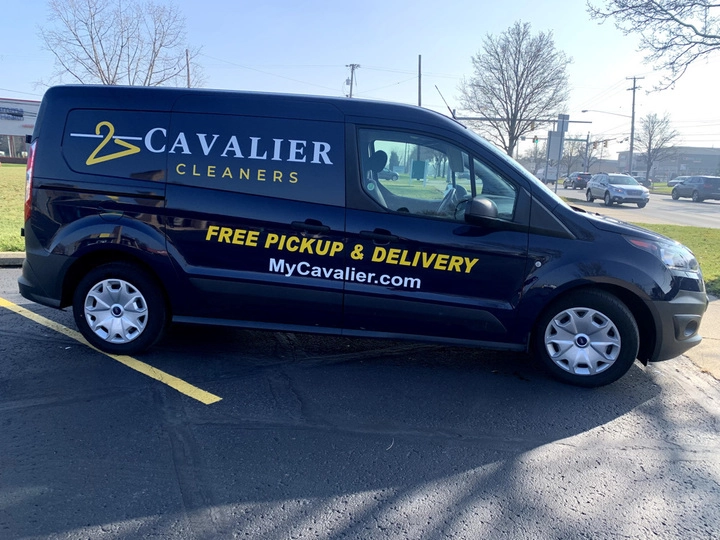
That six-point checklist in this post is the exact standard Cavalier Cleaners hold itself to with every customer, every order. If you've been running through that list in your head thinking "my current service doesn't do this," it's time for a change.
At Cavalier Cleaners, we offer FREE Pickup and Delivery Service, careful sorting, preference-based care, and folding you'll actually notice. We've built this process over more than 90 years, and we protect it like our reputation depends on it, because it does.
Schedule your FREE Pickup and Delivery Service today and cross laundry off your list for good.
Contact Guide:
📍 Address: Brunswick 1413 Pearl Rd
📞 Phone: +1 330-403-1142